The BLAC Land Trust
is part of a citywide and national movement to preserve affordability
while empowering residents to shape their neighborhoods

The BLAC Land Trust stabilizes
+

The BLAC builds wealth

Community development
for us, by us
No doubt - New York is a cultural mecca.
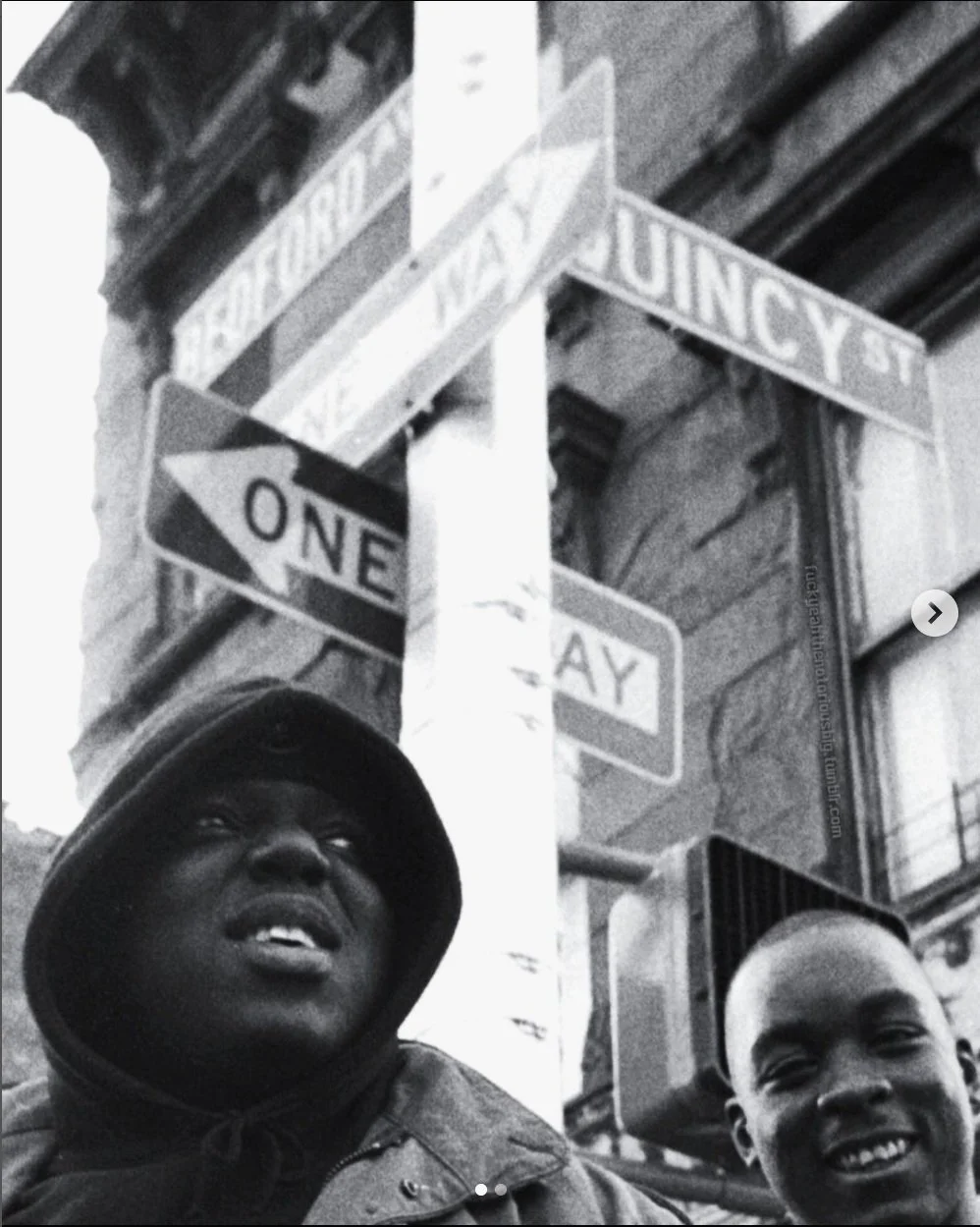
Jazz and Hip Hop, two iconic art forms, were born and incubated here. Every year, millions visit or move here to reimagine themselves and their contributions to the world.
And yet, the very people who have made New York a cultural mecca - Black young adults aged 16 to 36 - are being left out of building wealth and assets.
There’s still hope.
We’re still here.
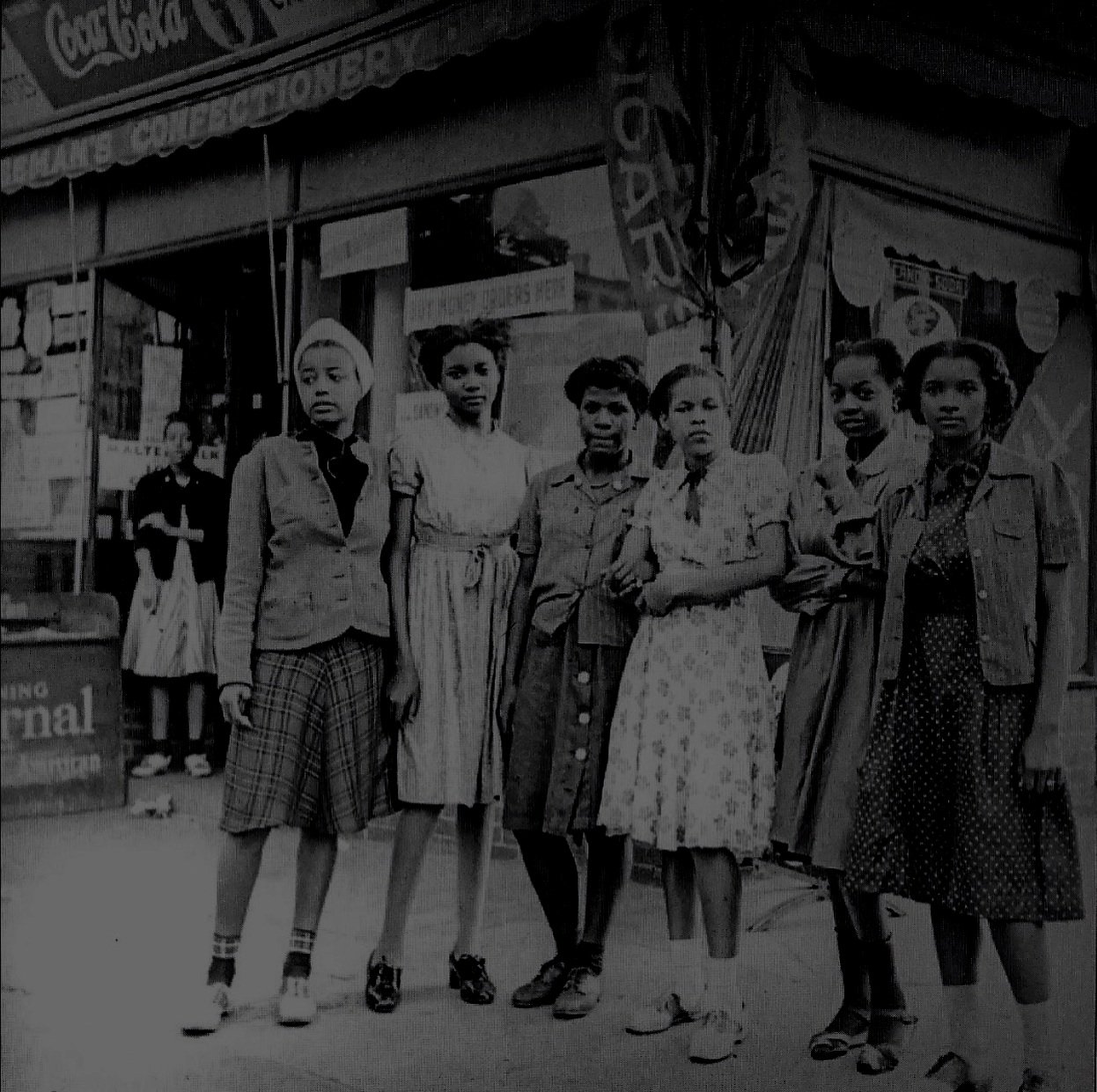
Let’s stay here.
The statistics are everywhere - historically Black neighborhoods in Brooklyn are rapidly losing their Black population due to gentrification and displacement.
However we believe that we can remain in and return to the communities we’ve loved and built.
GrowHouse is building a collectively-owned portfolio of real-estate, green space, cultural institutions, and worker-owned cooperatives that will form a cultural, ecological, and economic ecosystem in Black Brooklyn.
Regenerating Black Brooklyn
We remove property from the speculative market*.
Then transfer ownership to our community.
We're working with a team of legal professionals and organizations around the country piloting collective ownership** models that are community-led.
-
What if you could own real estate in your community at a price that feels right for you? It’s possible, together.
Many of our friends, collaborators, and neighbors have expressed the desire to collectively purchase real estate, however the process is time-consuming and daunting for already time-constrained individuals. We are building the framework for us all to enter.
-
Black communities have been targeted by unscrupulous lenders and other get-rich-quick schemes. We focus on education, intergenerational relationships, and social repair.
This is a slower process, building culture and community that can handle the wealth we’re creating for future generations.
-
We’re clear - the legacies of enslavement, colonization, and discrimination have been compounded by mass incarceration, unequal pay, and environmental racism, creating a racial wealth divide that will take many generations and focused effort to close.
Black communities need to build wealth to close the divide.
-
We understand that closing the racial wealth divide can't be accomplished by Black people alone. We believe that most Brooklynites of all races and ethnicities want to live in anti-racist, equitable, inclusive, and flourishing communities filled with opportunity. They just need the tools to develop their communities with purpose and power.
With Black leadership, Brooklynites of all races can contribute their knowledge and resources to ensure justice, equity, diversity, and inclusion.
-
Our current systems work by design, and so we can redesign them with love and liberation in mind.
According to scholar bell hooks, love is an action that involves extending yourself to nurture your spiritual growth and the spiritual growth of those we love.
Implicit in this definition is designing and creating a culture that centers our healing.
What we mean by…
*Speculative Market: A system where land and housing are bought and sold primarily for profit, driving up prices and pushing out long-standing community members.
**Collective Ownership Models: Structures like community land trusts (CLTs) and housing cooperatives where residents and community stakeholders democratically govern the land and ensure its use reflects shared values.
So what is a CLT?
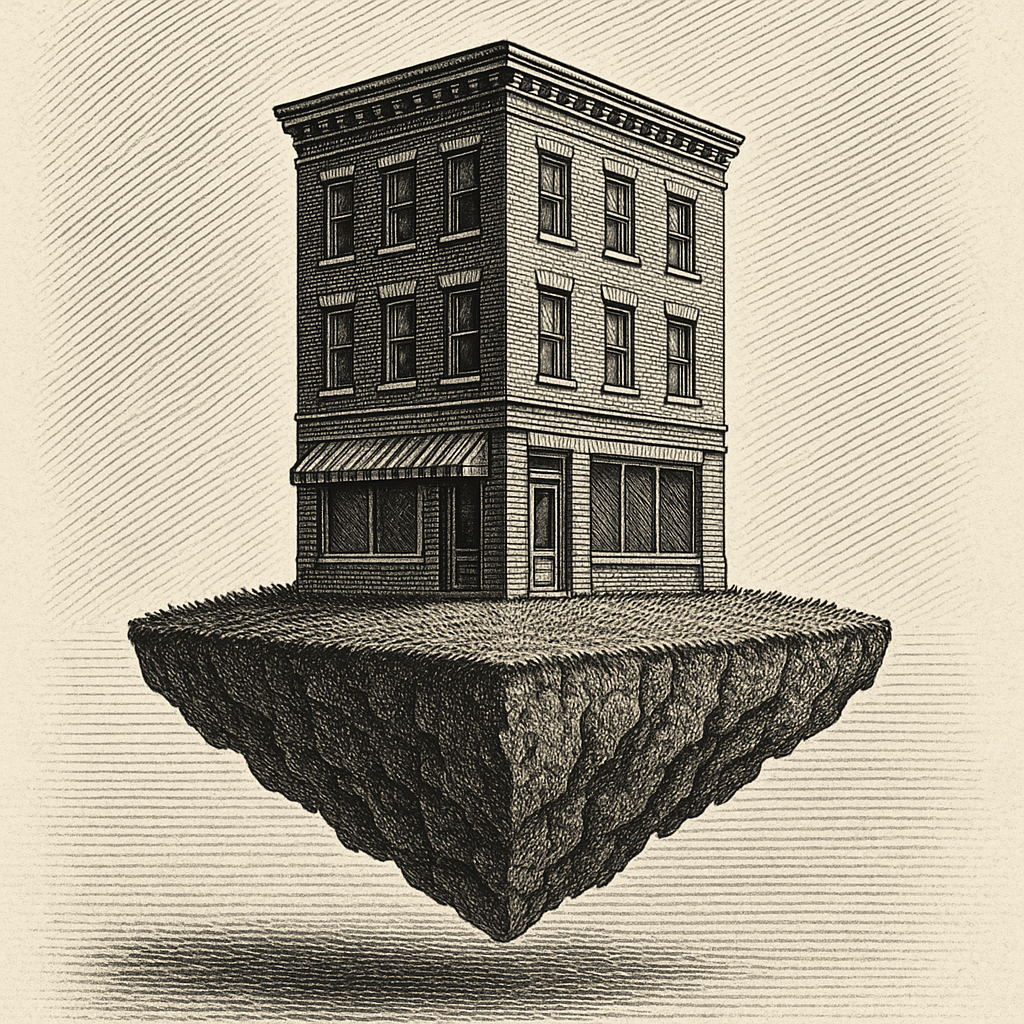
A Community Land Trust is a community-led nonprofit corporation designed to collectively own and steward land for community benefit.

Community Ownership
The CLT owns the land and ensures it is used in ways that benefit the community, while the buildings or other improvements on the land are community-owned under a 99-year, renewable ground lease.

Community Leadership
A CLT Board is divided into 3 parts:
Residents of the CLT’s buildings and land
Members of the larger community
Technical assistance providers: housing experts, public officials, architects, etc.
This board governs the CLT so that residents are in control of what happens in their community.
BLAC Land Trust is a Black-led, multiracial community land trust working to secure collective ownership of land across the historically Black Brooklyn neighborhoods of Bed-Stuy, Clinton Hill, Ocean Hill, Fort Greene, and Prospect Heights.
Your first step into the BLAC ecosystem is the Common/Wealth Curriculum - where you'll build the political education, relationships, and skills that make land stewardship possible.
Save 375 Stuyvesant Avenue
Protecting the legacy of Dr. Josephine English and keeping Black cultural spaces in community hands.
Why This Building Matters
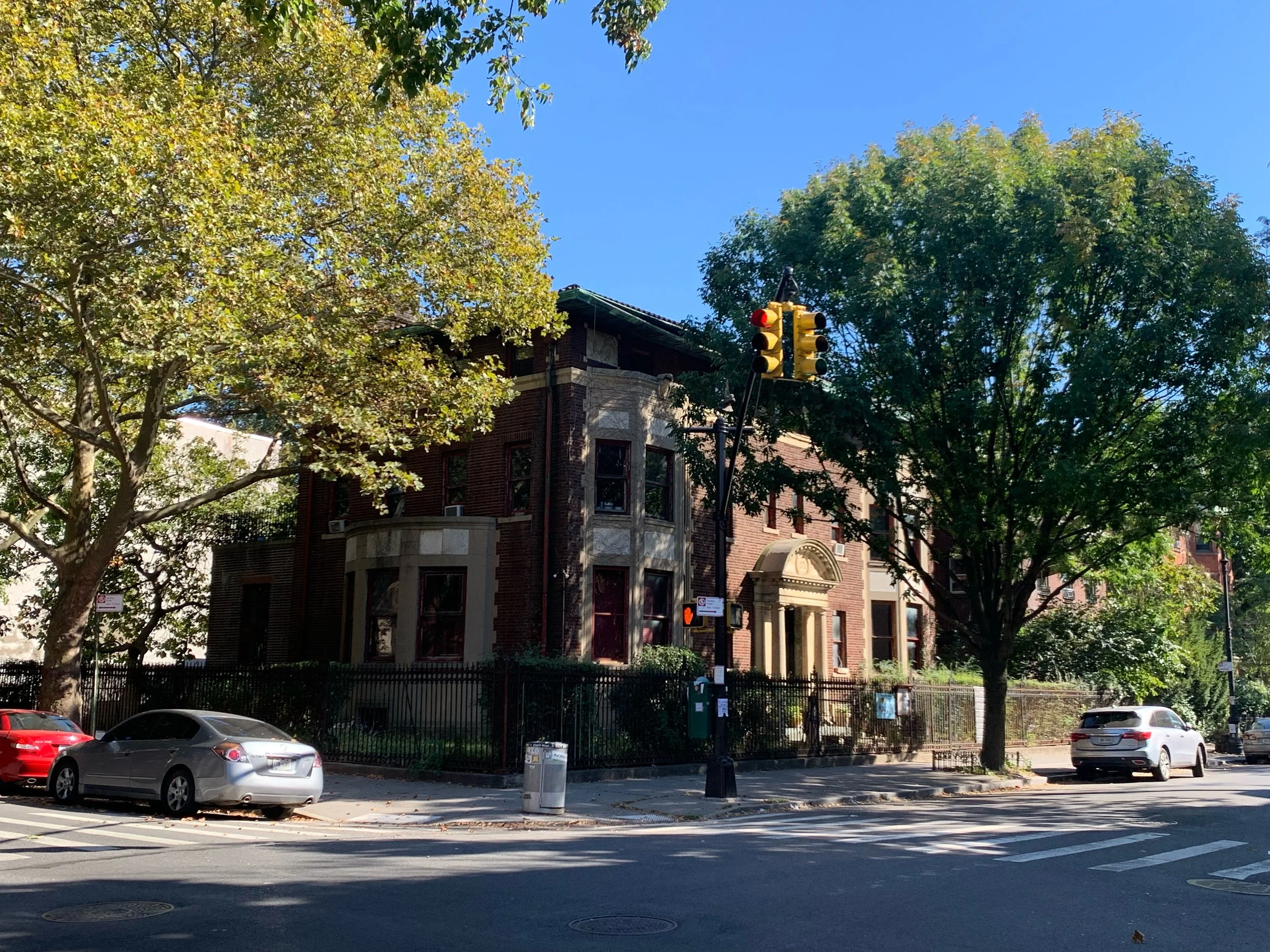
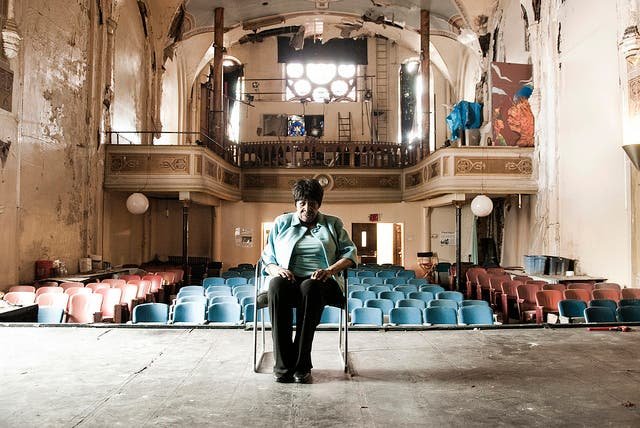
375 Stuyvesant Avenue is more than a landmark — it is a living chapter of Black history in Central Brooklyn.
Founded by Dr. Josephine English, one of the nation’s first Black OB-GYNs and a pioneering community advocate, the mansion has served for decades as:
a gathering space for Brooklyn’s Black families
an arts and cultural hub
a home for small businesses
a center for senior services, celebrations, and community healing
Dr. English built this space to belong to the neighborhood, not to developers or outside interests.
Today, that legacy is in jeopardy.
What’s Happening Now
Due to a court-ordered sale, 375 Stuyvesant Avenue is at immediate risk of being purchased by speculative real estate interests. Developers have already submitted offers — and if the community does not act swiftly, this historic site will become yet another example of Black history erased through gentrification and displacement.
Our Plan:
Preserve 375 Stuyvesant Through the BLAC Land Trust
GrowHouse created the BLAC Land Trust to safeguard historic Black-owned land, cultural assets, and community spaces from extraction.
Placing 375 Stuyvesant Avenue into the BLAC Land Trust will:
ensure permanent community ownership and governance
protect the building from speculation
preserve Dr. English’s legacy for generations
reactivate the mansion as a hub for arts, wellness, and community programming
The BLAC Land Trust is a 501(c)(3) nonprofit — all contributions are tax-deductible.
A Proven Model
Community land trusts across New York City and the country have successfully raised funds, mobilized neighbors, and acquired properties under similar circumstances. This model works.
Examples:
East New York CLT (ENYCLT) raised philanthropic dollars and community investment to secure neighborhood land. Read this!
Mott Haven–Port Morris CLT in the Bronx preserved community space through local organizing and partnerships. Take a look!
Cooper Square CLT on the Lower East Side has protected over 300 apartments for more than 30 years. More here!
These precedents show: when communities mobilize, they win.
How You Can Help Right Now
1. Donate to the Community Acquisition Fund
Every contribution — no matter the size — directly supports the effort to keep the mansion in community hands.
2. Share the Campaign
Post on Instagram, TikTok, Twitter/X, LinkedIn, or Facebook using our toolkit:
Sample captions
Hashtags
Shareable images
Key messages
3. Tell Your Elected Officials to Support Preservation
Your voice matters. Public leadership matters.
EMAIL TEMPLATE
LIST OF ELECTED OFFICIALS
4. Spread the Word With Your Network
Faith organizations, schools, block associations, Black fraternities/sororities, and cultural institutions can play a powerful role.
Frequently Asked Questions
Why is the building being sold?
A court-ordered process requires the property to be sold immediately, creating an opening for speculative buyers.
What will the building become if the community wins?
A community-governed hub for arts, wellness, small business incubation, intergenerational programs, and cultural memory — in the spirit of Dr. Josephine English.
Is my donation tax-deductible?
Yes. All contributions go to the BLAC Land Trust, a registered 501(c)(3).
This Is a Defining Fight for Bed-Stuy
375 Stuyvesant Avenue represents so much more than a building — it represents the right of Black communities to preserve their own history, own their own land, and define their own future.
We have a small window to act. Together, we can save this space.
DONATE NOW
SIGN THE PETITION
SHARE THE CAMPAIGN